- Home
- Business Setup in Saudi Arabia
Business Setup in Saudi Arabia (KSA) with 100% Foreign Ownership.
Business setup in Saudi Arabia follows a structured regulatory framework designed to simplify foreign investment and company formation.



Our Expertise in Business Setup in Saudi Arabia.
Business setup in Saudi Arabia is the most common market entry step for foreign investors and GCC-based businesses from the UAE, Qatar, Bahrain, Kuwait, and Oman looking to establish a presence in the Kingdom. The process involves regulatory approvals, licensing coordination, legal structuring, tax registrations, workforce compliance, and post-incorporation obligations across multiple government authorities.
Successful market entry requires proper sequencing of applications, accurate business activity classification, attested legal documentation, and alignment between licensing, commercial registration, and operational compliance requirements.
Foreign investors, startups, and multinational companies entering the Saudi market must evaluate legal structure selection, sector-specific approvals, Saudization obligations, and ongoing regulatory requirements before commencing business setup or expansion operations. Expertise in Saudi business setup, therefore, extends beyond company registration and involves managing the broader regulatory and operational framework required for long-term business establishment in the Kingdom.
Requirements for expanding your business to Saudi Arabia
The requirements differ based on whether you are an established business or a startup:
Foreign Company Subsidiary/Branch Setup
- Trade License from Home Country (legalized and embassy-attested)
- Audited Financial Statements of last fiscal year (legalized and attested)
- Board Resolution expansion into Saudi Arabia (legalized and attested) (Only in Special cases)
- Company’s Articles of Association (legalized and attested)
- Shareholders’ and Directors’ Passport Copies
Ministry of Commerce – Company Name Registration
- Proposed names for the company in Arabic and English
Articles of Association (AoA) (for LLC) OR Branch Documents
- Drafted and Notarized
Commercial Registration (CR) Application
- GM Appointment
- Signed Articles of Association (AoA)/ Branch Resolution
- Copy of MISA Investor Registration
Post-Incorporation Compliance Registrations
- GM Visit to Saudi Arabia
- Iqama Processing
- Ministry of Human Resources and Social Development (HRSD) account
- ZATCA VAT/Tax Registration
- Government Online Portal Registration: Absher, Qiwa, Muqeem, and Mudad
Office Lease Agreement (Full Office Space)
- A physical office or co-working space is mandatory
Initial Requirements
- Endorsement Letter from VC or licensed incubator
- Supporting Documents: Letter of intent, startup brief, pitch deck
MISA Entrepreneurship License Application
- Copy of the founder(s) passport(s)
- National ID for any Saudi partner (if applicable)
- Summary of business plan or description of activity
- Email and contact details
Ministry of Commerce – Company Name Reservation
- Proposed names for the company in Arabic and English
Articles of Association (AoA)
- Drafted and Notarized
Commercial Registration (CR) Application
- GM Appointment
- Signed Articles of Association (AoA)
- Copy of MISA License
Chamber of Commerce Registration
- Copy of CR
- Sample of Company seal/stamp
Post-Incorporation Registrations
- GM Visit to Saudi Arabia
- Iqama Processing
- Ministry of Human Resources and Social Development (HRSD) account
- Government Portals Activations
- ZATCA VAT/Tax Registration
- Office Lease Agreement (Physical or Coworking Space)
Want to Know the Cost of Starting a Business in Saudi Arabia?
Our cost calculator helps you determine the cost of starting a business in Saudi Arabia and how much budget to set aside during your market entry in the Kingdom.
5 Steps to Set Up a Business in Saudi Arabia.
Setting up a business in Saudi Arabia follows a defined regulatory workflow covering investment licensing through MISA, commercial registration with the Ministry of Commerce, and statutory compliance onboarding. The key steps include obtaining an investment licence, reserving and registering the company’s name, drafting and notarising the Articles of Association, acquiring a Commercial Registration (CR), and registering with the Chamber of Commerce. Additionally, it is essential to comply with government regulations, especially those related to taxation and social insurance.

Choose your business activities and legal structure: Choose the specific business activities your company will provide in Saudi Arabia and the right legal structure for your company — for example, Sole Establishment, Limited Liability Company (LLC), Joint Stock Company (JSC), Branch of a Foreign Company, Simplified Joint Stock Company (SJSC), or Joint Venture.
Prepare Documents: Collect the required documents, including the company's Memorandum and Articles of Association, business license, certificate of incorporation, board resolution, and Power of Attorney.
Apply for a MISA Investor Registration: Foreign investors must first secure a MISA investor registration.
Name Reservation: Reserve your company’s name with the Ministry of Commerce.
Notarize Documents: Notarize your Articles of Association and all legal documents.
Commercial Registration (CR):Obtain your Commercial Registration certificate from the Ministry of Commerce.
Chamber of Commerce Registration: Register your company with the Chamber of Commerce.
National Address Registration: Register your company’s national address.
Iqama Visa (residency permit): Your company's General Manager will need to obtain a residency permit (Iqama).
Government records: The GM must be added to the company and government portals.
Tax and Zakat registration: Register with the Zakat, Tax and Customs Authority (ZATCA).
Social Insurance (GOSI) registration: Register with the General Organization for Social Insurance (GOSI).
Ministry of Human Resources registration: Register with the Ministry of Human Resources if you plan to hire staff.
Corporate Bank Account: Open a corporate bank account.
Maintaining the Government Portals
Filing the taxes and following the compliance
Annual Audit Filings
By following these steps and complying with Saudi Arabian regulations, you can successfully set up and run your business.
Key Timelines and Execution Factors for Company Formation in Saudi Arabia
Saudi Arabia business setup timelines vary depending on your business activity, legal structure, and documentation completeness. The table below outlines the average processing time and document requirements for each key registration stage. Where multiple stages run in parallel, the total elapsed time may be shorter than the sum of individual stages.
| Registration | Government Authority | Processing Time | Key Requirement |
|---|---|---|---|
| MISA Investment Licence | Ministry of Investment (MISA) | 3–7 business days | Parent company documents notarised, legalised, and embassy attested. |
| Company Name Reservation | Ministry of Commerce | 1–3 business days | Arabic and English name options submitted via the MoC business platform. |
| Articles of Association (AoA) and Commercial Registration (CR) | Ministry of Commerce | 2–5 business days | Signed AoA, MISA investor registration copy, GM appointment. CR issued upon payment. |
| Chamber of Commerce Registration | Chamber of Commerce | 1–2 business days | Copy of CR and company seal/stamp required. |
| ZATCA Tax and VAT Registration | ZATCA | 2–4 business days | Requires active CR and GM Iqama. |
| HRSD, Qiwa and Muqeem Activation | HRSD – Ministry of Human Resources | 2–4 business days | Required before any expatriate visa processing or Saudization tracking begins. |
| Municipality Licence (Balady) | Local Municipality Authority | 7–21 business days | Timeline depends on business activity classification and office location. Zoning-dependent. |
| Office Lease Agreement | Required before CR application | Before CR stage | Physical office or co-working space is mandatory for all legal entity types. |
Summary callout: Approximately 3 to 7 weeks for a standard Limited Liability Company (LLC), subject to business activity, sector approvals, and document readiness at the point of submission. Regulated sectors, including healthcare, engineering, and financial services, may require additional approvals and extend the timeline.
Company Formation in Saudi Arabia: Legal Structures and Options
Choosing the right legal structure is a vital step in business setup in Saudi Arabia. Your decision will influence ownership, liability, regulatory requirements, and how you run and grow your business. Here is a summary of the main legal structures available, each designed to suit different needs and goals:

Limited Liability Company
A Limited Liability Company is a separate legal entity where the liability of shareholders is limited to their investment.

Branch of a Foreign Company
A Branch of a Foreign Company is a representation of a foreign parent company that operates in Saudi Arabia under the parent’s liability.

Joint Stock Company (JSC)
A JSC is suitable for businesses with large capital, providing limited liability for its shareholders. The structure is more complex as the shares can be listed for public investment, and operations follow higher standards similar to a publicly listed company.

Joint Ventures and Partnerships
Joint Ventures and Partnerships enable collaboration between local and foreign entities to combine resources, share responsibilities, and work towards a defined goal.

Sole Establishment (Only for GCC Nationals)
A Sole Establishment is run and owned by a single person — a GCC national — who is fully responsible for all business obligations and liabilities of the company.
If you’re still evaluating which sector to enter, explore profitable business ideas in Saudi Arabia aligned with Vision 2030 and current market demand.
Setting up a Foreign Company in Saudi Arabia
Here’s a breakdown of four common approaches to setting up a foreign company registration, along with estimated timelines:
Approach 1: For Startups
-
Endorsement Letter
A vital support document issued by an authorized incubator, accelerator, or venture capital firm endorses the startup for the MISA entrepreneurship license.
-
Name Reservation
Reserving your company’s name protects your brand identity in Saudi Arabia and is a must before applying for the MISA license and Commercial Registration.
-
Issuance of MISA License
MISA grants the investor profile that allows a foreign-owned startup to establish its presence in Saudi Arabia. It recognises the entity as an approved foreign investor.
-
Draft and Attestation of Articles of Association
The Articles of Association (AoA) define the ownership structure, management responsibilities and operational processes. Drafting and attesting the AoA provides clarity for both shareholders and management, enabling effective governance and regulatory approval.
-
Commercial Registration (CR) Issuance
The Commercial Registration (CR) is the primary license that lists the company’s approved business activities. This allows the company to carry out all commercial operations in Saudi Arabia.
-
Chamber of Commerce
Registration with the Chamber of Commerce is necessary for authenticity in business dealings and offers access to various government services and business support systems.
Approach 2: For Established Foreign Businesses
-
Collection, Audit & Attestation of Documents
Key documents such as the Trade License, Commercial Registration (CR), Memorandum of Association (MoA), and Articles of Association (AoA) must be collected. These documents must be attested and notarized by the Ministry of Foreign Affairs (MOFA) and the Saudi Embassy to verify their authenticity and compliance with Saudi regulations.
-
Minimum Years of Operation Requirement
Saudi authorities require foreign businesses to have been operational for at least one year or sometimes two years, depending on the sector and investment value.
-
Name Reservation
The company name must be reserved to obtain exclusive rights to operate under that name in Saudi Arabia.
-
Issuance of MISA License
The MISA License is issued by the Ministry of Investment, which is a must for all foreign companies to operate legally.
-
Draft and Attestation of Articles of Association
The Articles of Association (AoA) outline the governance, shareholding structure, and operational guidelines; it must be drafted and attested.
-
Commercial Registration (CR) Issuance
The Commercial Registration (CR) officially registers your business with the Saudi Ministry of Commerce.
-
Chamber of Commerce
Registering with the Chamber of Commerce is essential for accessing business resources and regulatory services.
-
Submission of Audited Financial Statements and Bank Statements
The foreign company is required to submit financial audits for at least the previous fiscal year to show financial stability and transparency.
-
Deposit of Minimum Capital (If Applicable)
Depending on the sector and company type, Saudi regulations require a minimum capital deposit to confirm the company’s financial preparedness to operate locally.
Approach 3: For All Company Types - Advanced – (subsidiaries, joint ventures, branch offices, and others)
-
Collection, Audit & Attestation of Documents
Documents such as Trade License, Commercial Registration (CR), Memorandum of Association (MoA), and Articles of Association (AoA) must be verified by the Ministry of Foreign Affairs (MOFA) and the Saudi Embassy to confirm their authenticity.
-
Deposit of Capital
The company must meet the minimum capital requirements specific to its sector.
-
Company Seal Creation
The official company seal is necessary for stamping official documents and contracts, serving as a formal representative of the company’s authorisation.
-
Name Reservation
Reserving the company name protects the legal identity and stops duplication in Saudi Arabia.
-
Issuance of MISA License
Issued by the Ministry of Investment (MISA), this license legally allows the company to conduct business activities in Saudi Arabia.
-
Draft and Attestation of Articles of Association
Outlines the company’s governance structure, shareholder rights, and operational protocols. The documents must be attested for legal and procedural clarity.
-
Commercial Registration (CR) Issuance
The CR officially registers the company with the Saudi Ministry of Commerce, allowing for official commercial operations.
-
Register with Ministry of Labor (MoL)
This registration is mandatory for hiring employees in Saudi Arabia, ensuring adherence to local labour regulations.
-
Register with General Organization for Social Insurance (GOSI)
This is necessary to offer the required social security benefits to employees, including pensions, and protection against workplace hazards.
-
Register National Address
The company must choose and register a physical office address with Saudi Post, which is a requirement for communication and government correspondence.
-
Health and Medical Insurance for General Manager
The General Manager is required to have valid health insurance as part of the legal requirements for residency and employment.
-
Issuance of General Manager (GM) Visa
The GM visa permits the General Manager to legally live and manage operations in Saudi Arabia. This is essential for opening bank accounts, signing contracts, and activating social insurance and labour registrations.
-
Tax Registration (GAZT and VAT)
Companies are required to register for corporate taxes and VAT to adhere to Saudi tax regulations.
-
Physical Office Setup
A Physical Office in Saudi Arabia is necessary to meet licensing requirements and ensure operational effectiveness.
-
General Manager Visit
The appointed General Manager must visit Saudi Arabia once the Commercial Registration is issued. The visit is essential for visa stamping, completing medical checks, taking biometrics, and starting the Iqama (residency permit) process. This step is vital as it activates the company’s full legal operations and allows for local business activities.
-
Handover Process
After all registrations, licenses, and visas are completed, a formal handover takes place – usually by the business setup consultant – to transfer control and operational duties to the company’s management team, ensuring a smooth transition into active business operations.
Approach 4: For Multinational Businesses - All Company Types – Complete Setup of all company types (RHQ, TSO, joint stock companies, MNCs and others)
-
Collection, Audit & Attestation of Corporate Documents
This includes key documents like Trade License, Commercial Registration (CR), Memorandum of Association (MoA), and Articles of Association (AoA). These documents must be attested by the Ministry of Foreign Affairs (MOFA) and the Saudi Embassy to ensure they are authentic and comply with Saudi laws.
-
Deposit of Capital
The company must fulfil minimum capital requirements that are specific to its industry and type, with the capital funds deposited in a Saudi bank account to confirm its financial capability.
-
Creation of Company Seal
The Company Seal serves as an official signature tool needed for legal documents and contracts, representing the authority of the company.
-
Name Reservation
Reserving a company name provides exclusive rights for legal and business purposes.
-
Issuance of MISA Investor License
This license is issued by the Ministry of Investment, allowing business operations in Saudi Arabia.
-
Drafting and Attestation of Articles of Association
Legal documents that outline the company’s governance, ownership structure and operational procedures are drafted and attested for office approval.
-
Commercial Registration (CR) Issuance
The CR officially registers the company with the Ministry of Commerce, allowing for business operations and contract signing.
-
Registration with the Ministry of Labor (MoL)
This registration is mandatory to facilitate legal hiring and employment practices according to Saudi labour laws.
-
Registration with the General Organization for Social Insurance (GOSI)
This ensures that every employee is registered in social insurance programs, which cover pensions and protection from work-related hazards.
-
Register National Address
A physical business address must be registered for official communication.
-
Health and Medical Insurance for General Manager
The GM must have valid health insurance as part of their residency and employment requirements.
-
Issuance of General Manager (GM) Visa
This grants the GM legal residency and work authorisation in Saudi Arabia, essential for managing operations.
-
Tax Registration with the General Authority of Zakat and Tax (GAZT)
Essential for corporate tax and VAT compliance.
-
Physical Office Set-Up
A physical office needs to be set up to meet licensing and operational standards.
-
Activate Chamber of Commerce (CoC) Account
Activating this account allows access to government tenders and other CoC services essential for business transactions.
-
Health Check and Medical Insurance for GM
The GM is required to undergo a medical check-up in Saudi Arabia to complete residency permits and insurance requirements.
-
GM’s Iqama Issuance
Iqama, the residency permit, is issued to the General Manager, allowing them to live and manage the business legally.
-
Governmental Portal Registrations (Muqeem, Absher, Qiwa, Mudad)
The company must register on these important digital platforms for visa processing, labor services, municipal services, and labor market monitoring to ensure complete regulatory compliance.
-
Open Corporate Bank Account
Opening a local bank account is vital for financial transactions, payroll, tax payments, and meeting capital requirements.
-
Harmonization
This last step ensures that all registrations, licenses, legal approvals, and operational aspects are fully compliant with Saudi regulations, allowing the company to operate smoothly in the Kingdom.
-
General Manager Visit
The GM must physically visit Saudi Arabia after registration for visa stamping, completing medical exams and biometrics, and initiating the Iqama issuance process. The visit is vital for starting local operations.
-
Saudization Certificate
Getting a Saudization Certificate shows that the company is compliant with national workforce localisation laws, which require a certain percentage of Saudi employees.
-
Etimad Portal Registration
Registering on this government procurement platform allows the company to participate in government tenders and contracts.
-
Final Handover
The setup consultant officially hands over complete operational control, documents, and compliance checklists to the company management team, indicating the business establishment is completed.

Your Business Setup in Saudi Arabia is just one step away
Afreen Sheikh, Business Consultant
Operational Challenges and Timeline Factors in Saudi Business Setup
Business setup timelines in Saudi Arabia depend on regulatory dependencies, business activity classification, and the approval sequence across multiple government authorities. The setup process involves interconnected steps covering licensing, legal structuring, tax registration, workforce onboarding, and operational readiness. Delays typically arise from activity misalignment, incomplete documentation, attestation issues, or gaps in regulatory compliance. Each business setup follows a distinct operational pathway rather than a fixed timeline — which is why expert guidance from the outset is essential to avoiding rework and accelerating market entry.
Business Activity Classification and Licensing Alignment
Accurate business activity classification is a foundational requirement for business setup in Saudi Arabia. Activities must align consistently across MISA investor registration, Commercial Registration, municipality approvals, and banking compliance reviews. Incorrect activity selection often leads to revisions during company formation, affecting timelines, and approval sequencing. Certain regulated sectors — including engineering, healthcare, and financial services — require additional approvals before licensing completion. Municipality authorities may also apply zoning-based restrictions depending on activity classification. Banks assess business activity as part of compliance checks during account opening, particularly when reviewing operational scope and transaction flows. Misalignment in licensed activities can lead to restrictions on future amendments or limitations on operational expansion. Proper classification ensures regulatory alignment from day one.
Document Legalisation and Attestation Requirements
Foreign company documents must go through a multi-stage authentication process: notarisation to certify document authenticity, legalisation by home-country authorities, embassy attestation by the Saudi embassy in the country of origin, and certified Arabic translation for all submitted documents. Most delays in Saudi business registration arise not from major legal obstacles but from small inconsistencies in document preparation — a shareholder name spelled differently across two documents, an expired financial statement, or a translation that does not match the original text precisely. Each inconsistency requires a formal correction cycle that can add one to three weeks per instance. A thorough document consistency review before submission is essential. All shareholder names, company names, and addresses must match exactly across every stage.
Banking Compliance and Corporate Account Opening
Bank account opening is a critical and often underestimated stage in the Saudi business setup process. Financial institutions conduct compliance assessments covering ownership structures, Ultimate Beneficial Owner (UBO) details, business activities, and the jurisdiction of the parent company. Sectors involving international transactions or regulated services attract enhanced scrutiny. Documentation requirements include corporate records, shareholder information, and operational details. Delays in account activation can directly affect capital deployment, payroll processing, and vendor transactions. Initiating banking compliance preparation concurrently with MISA and CR stages — and preparing UBO documentation, ownership structure charts, and source-of-funds confirmation early — significantly reduces the risk of delays after company incorporation is complete.
Municipality Approvals and Office Lease Compliance
Municipality (Balady) approvals are required as part of business setup in Saudi Arabia, particularly in relation to office requirements and commercial zoning compliance. Authorities assess business activities against zoning regulations to confirm whether the selected office location meets the required municipality criteria. Certain business activities must operate from specific office types, such as industrial units or licensed commercial premises. Lease agreements must be in place before municipality applications are submitted, and the approval timeline — 7 to 21 business days — must be factored into the overall setup plan. Proper coordination between office leasing and licensing stages prevents compliance gaps during early operations.
5 Common Mistakes to Avoid When Setting Up a Business in Saudi Arabia
Business setup in Saudi Arabia is a structured process — but small errors at any stage can cause delays, document resubmissions, or compliance gaps that extend timelines significantly. Here are the five most common challenges encountered during company formation in Saudi Arabia, and how to avoid them.
1. Incorrect Business Activity Classification
Activity codes must align consistently across MISA investor registration, the Ministry of Commerce Commercial Registration, municipality approvals, and banking compliance reviews. A mismatch discovered weeks into the process — when attempting to open a bank account or apply for a municipality license — requires formal amendments, resubmissions, and restarts of dependent approvals.
Map activity codes across all four authorities before submitting the MISA application. Where multiple activities are planned, confirm that each is permitted under the same entity and licensing category.
2. Selecting the Wrong Legal Structure for the Business Activity
LLC, Branch Office, Subsidiary, and JSC structures each carry different compliance obligations, tax implications, and eligibility criteria for sectors and government project participation. Choosing a Branch Office when an LLC is more appropriate — or vice versa — creates downstream complications in ownership flexibility, banking, and operational scalability.
Evaluate structure selection based on the specific business activity, ownership model, and long-term operational plan before submitting any applications.
3. Incomplete Document Preparation and Attestation Gaps
Most delays in Saudi business registration arise not from major legal obstacles but from small inconsistencies in document preparation — a shareholder name spelt differently across two documents, an expired financial statement, or a translation that does not match the original text. Each inconsistency requires a formal correction cycle that can add one to three weeks per instance.
Complete a document consistency review before submission. All shareholder names, company names, and addresses must match exactly across notarization, legalization, embassy attestation, and Arabic translation.
4. Deferring Saudization Planning Until After Setup
Saudization (Nitaqat) quota obligations begin from the point of employment. Companies that commence hiring without a Saudization plan built into their workforce model face restricted visa processing, penalties under the Nitaqat programme, and delays in onboarding expatriate staff.
Incorporate the Saudization plan into the initial workforce structure before HRSD and Qiwa registrations are completed. Quota requirements vary by industry and company size — confirm the applicable Nitaqat band at the activity classification stage.
5. Underestimating Banking Compliance Timelines
Corporate bank account opening in Saudi Arabia involves a compliance review process that evaluates ownership structures, UBO details, business activities, and the jurisdiction of the parent company. Sectors involving international transactions or regulated services attract additional scrutiny. Delays in account activation directly affect payroll processing, vendor payments, and capital deployment.
Initiate banking compliance preparation concurrently with the MISA and CR stages. Prepare UBO documentation, ownership structure charts, and source-of-funds confirmation early to avoid post-incorporation activation delays.
Guide to Business Setup in Saudi’s Special Economic Zones
For certain business activities, Saudi Arabia’s Special Economic Zones (SEZs) offer a more advantageous entry structure than the standard MISA investor registration pathway. Saudi Arabia’s SEZs provide designated regulatory environments with competitive incentives, including reduced tax rates and streamlined licensing for qualifying sectors. SEZ structures operate under distinct regulatory frameworks and may carry different Saudization, ownership, and tax obligations compared to mainland registration.
Whether the standard MISA route or an SEZ structure is more appropriate depends on the specific business activity, operational model, and investment objectives.
Saudization Requirements and Employee Registration.
Saudization policy (Nitaqat) is mandatory for all foreign and GCC companies operating in Saudi Arabia. The activities mentioned in your company’s trade license determine the required ratio of Saudi nationals to expatriates. Based on this, the government portal sets the percentage of Saudi employees that must be part of the company’s workforce.
Compliance is monitored and managed through key portals, which companies are required to keep updated regularly:

QIWA
Managed by the Ministry of Human Resources and Social Development (HRSD). Used to monitor Saudization levels and register employees.

General Organization for Social Insurance (GOSI)
Handles registration of employee insurance and contributions. Filing with GOSI is mandatory for all companies and applies to every employee.

HRSD Registration
Ensures that businesses follow labour regulations, meet Saudization quotas, and fulfil employee requirements.
Saudization Levels (Nitaqat Program)
Companies are categorised into levels according to their Saudization compliance:
Platinum and Green
Businesses at these levels receive benefits including quicker visa processing, easier work permit approvals, and better access to essential labour-related services.
Yellow and Red
A signal to improve Saudization levels. Businesses at these levels face restrictions on hiring, visa renewals, and related processes until compliance improves.
Benefits of Setting up a Business in Saudi Arabia.
Saudi Arabia is becoming the top choice for investors and companies. Here’s why they opt for the kingdom:

100% Foreign Ownership
100% foreign ownership is permitted in most sectors, removing the need for a local partner.

Tax Benefits
0% personal income tax. Foreign-owned profits pay 20% corporate tax; Saudi/GCC shares pay 2.5% zakat. Qualifying Regional HQs get a 30-year 0% tax package on approved activities.

Record Growth in Business Registrations
In Q1 2026, Saudi Arabia saw over 71,000 new business registrations, bringing the total number of active commercial records in the Kingdom to approximately 1.89 million.

Strategic Economic Hubs
71% of new commercial registrations took place in Riyadh, Makkah, and the Eastern Province, making these cities ideal for business setups.
Not sure which city suits your business best? Compare the top cities in Saudi Arabia to start a business.

Women in Business
45% of the newly registered institutions are owned by women, reflecting the kingdom’s commitment to inclusivity and diversity in entrepreneurship.

Foreign Investment Magnet
Saudi Arabia attracted SAR 54.4 billion (USD 14.5 billion) of foreign direct investment in the first nine months of 2024 alone, reflecting its growing appeal to global businesses.
If you’re still evaluating which sector to enter, explore profitable business ideas in Saudi Arabia aligned with Vision 2030 and current market demand.
Business Expansion in Saudi Arabia: Guide for Foreign and GCC Nationals
Saudi Arabia supports a variety of business expansion models, each with its own process and requirements. Whether you are expanding an existing business, bringing a GCC-owned business, or starting a business in Saudi Arabia as a GCC national, here is how to set up a company in the Kingdom:
Expanding an Existing Foreign Company in Saudi Arabia
Foreign companies looking to expand into Saudi Arabia can set up a branch office or subsidiary. The process involves:
- Obtaining a Foreign Investment License from the Ministry of Investment (MISA)
- Submitting attested Commercial Registration and financial statements from home country
- Registration with the Ministry of Commerce and other government bodies such as ZATCA and GOSI
- Appointing a local General Manager
- Opening a corporate bank account and securing a physical office address
Many sectors allow for 100% foreign ownership with the right approvals. The process is designed to make entry straightforward, but careful attention to documentation and compliance is required for a successful setup.
UAE-based entrepreneurs can also explore our dedicated guide on starting a business in Saudi Arabia from the UAE
Expanding an Existing GCC-Owned Business to Saudi Arabia
Businesses completely owned by GCC nationals can enter the Saudi market more quickly. The process involves:
- Setting up a branch office or subsidiary, based on business needs
- Submitting commercial registration and supporting documents, attested by relevant authorities
- Registering with Saudi authorities and adhering to local regulations, including Saudization and taxation
- A foreign investment licence is not required for GCC nationals, making the process easier and faster
GCC Nationals Starting a New Business in Saudi Arabia
GCC nationals looking to set up a new business in Saudi Arabia receive the same rights as Saudi citizens. The process involves:
- Selecting the appropriate business structure
- Preparing required documents and reserving the business name
- Registering with the Ministry of Commerce and other relevant authorities
- Securing licences and regulatory approvals specific to the chosen sector
Key Regulatory Authorities Involved in Business Setup in Saudi Arabia
Starting a business in Saudi Arabia requires working with key government agencies that regulate and support company operations:

This is the starting point for foreign investors. MISA issues the necessary investment licence that allows 100% foreign ownership in many sectors. It grants the investor profile needed to start operations in the Kingdom.

In charge of company registration and issuing Commercial Registration (CR). The Ministry of Commerce ensures that businesses adhere to Saudi commercial laws and manages trade licensing.
Responsible for developing and managing industrial cities and technology zones. Modon provides infrastructure, land, and facilities for manufacturing and logistics companies, supporting investors in setting up operations within specialised industrial areas.

Manages all tax-related matters in Saudi Arabia, including corporate tax, VAT, zakat, and customs duties, ensuring that companies fulfil their tax requirements.
While each authority has a defined role, delays often arise when registrations are completed in the wrong sequence or when business activities are incorrectly classified across government platforms. In practice, approvals from one authority can affect the timelines, documentation, or requirements of another. Understanding how these authorities interact helps businesses avoid rework, application revisions, and post-registration compliance issues.
To understand the legal, cultural, and operational environment beyond registration, read our detailed guide on doing business in Saudi Arabia.
Business Setup Scenarios: Real Cases Across Industries.
These scenarios reflect real client engagements managed by the Analytix Arabia advisory team across Saudi Arabia and the GCC. Client names are withheld at their request. All engagement details, regulatory steps, and outcomes reflect actual work conducted between 2022 and 2026.
Engagements referenced here were led or overseen by Nishad Abdu Rahiman, Business Setup and Market Entry Advisory Lead at Analytix Arabia, with over 18 years of experience in company formation, regulatory compliance, and market entry across 13+ countries.
Last reviewed: November 2026.
Market Entry Strategy Consulting — FMCG Brand
01
The situation
An India-based ready-to-cook (RTC) food brand was evaluating entry into Saudi Arabia’s packaged food segment. The brand had strong domestic distribution but limited GCC exposure. Category penetration for RTC products in the Kingdom was significantly lower than in India, making demand validation a prerequisite before committing to a market entry structure.
02
What we did
Our team mapped consumer demand across Riyadh, Jeddah, and Dammam, benchmarked competitor pricing in modern trade and ethnic retail outlets, and assessed two entry models — direct LLC formation versus a distributor-led import structure. We mapped the full SFDA product registration path alongside Arabic labelling requirements and customs documentation for import activities.
03
The outcome
We recommended a phased distributor-led entry into Riyadh as the lower-risk starting point, deferring LLC formation until demand was validated. This reduced the client’s initial capital commitment and compliance exposure. SFDA registration completed within approximately 6–10 weeks from the beginning of the engagement.
Engagement managed by Nishad Abdu Rahiman, Analytix Arabia · 2023 · Saudi Arabia
Cloud Kitchen Chain: GCC Expansion Investment Advisory
01
The situation
A cloud kitchen operator was preparing an investor pitch for multi-city GCC expansion. The business model was delivery-platform dependent with high location sensitivity. Investors required a clear financial case showing unit-level profitability, CAPEX requirements, and a realistic expansion timeline before committing.
02
What we did
Nishad’s team built the full financial model covering CAPEX, OPEX, platform commission structures, rental costs per city, and break-even projections per location. We ran demand mapping across key urban zones and factored in the regulatory pathway — including MISA licensing, Commercial Registration, and Balady approvals applicable to the Saudi market specifically.
03
The outcome
The investment case supported a structured Riyadh-based rollout plan. The financial model was accepted by the investor group and formed the basis for expansion planning across Jeddah and Dammam. Unit economics were clearly linked to location-specific demand density.
Engagement managed by Nishad Abdu Rahiman, Analytix Arabia · 2023 · Qatar / GCC
European Wood Manufacturer: Saudi Manufacturing Entry Assessment
01
The situation
A European wood processing manufacturer was evaluating direct manufacturing setup in Saudi Arabia, targeting demand from the construction and furniture sectors. The proposed structure required MISA industrial licensing, approvals from the Ministry of Industry, MODON land allocation, environmental permits, and utility access — a significant capital and regulatory commitment before any revenue was generated.
02
What we did
We conducted a full entry assessment covering downstream demand from construction and furniture buyers, import dependency for raw materials, factory establishment costs including land, machinery, and labour, and the full regulatory timeline for industrial licensing in Saudi Arabia.
03
The outcome
Our assessment identified that the capital required to establish direct manufacturing significantly outweighed the demand visibility available at that stage. We recommended a trading-based entry as the lower-risk alternative — importing processed wood products initially, with manufacturing setup deferred until local demand was validated. This recommendation saved the client from a premature capital commitment before market signals were established.
Engagement managed by Nishad Abdu Rahiman, Analytix Arabia · 2023 · Saudi Arabia
Saudi Logistics Company: Fleet Expansion and Bank Financing
01
The situation
A Saudi-based logistics company needed to expand its fleet to meet growing e-commerce and trade flow demand. The expansion required Transport General Authority (TGA) licensing, MISA approval updates, and bank financing — but the company lacked the structured financial documentation that Saudi banks require before approving asset-backed lending for fleet acquisition.
02
What we did
Our team built the cash flow scenarios, asset utilisation models, and funding requirement documentation the bank needed for its compliance review. We structured the financing application, prepared the fleet procurement plan, and mapped Saudization compliance under HRSD to ensure no workforce violations would delay the licence renewal process during expansion.
03
The outcome
Bank financing was secured for the fleet expansion, supporting around 6–10 vehicles. Saudization compliance was maintained throughout, avoiding the visa processing restrictions that affect companies falling into the Yellow Nitaqat band during growth periods.
Engagement managed by Nishad Abdu Rahiman, Analytix Arabia · 2024 · Saudi Arabia
Restaurant Group: Virtual Brand Launch From Existing Kitchens
01
The situation
A restaurant group with existing outlets across Saudi Arabia was facing margin pressure from high rents and increasing platform commission costs. Each outlet was already licensed — Commercial Registration, municipality approvals, civil defence certification, and food safety compliance were in place. The group needed a way to grow revenue without additional regulatory filings or capital expenditure.
02
What we did
We analysed kitchen utilisation rates, delivery platform demand data by cuisine category, and the existing licensing scope across all outlets. We identified the gap between what the kitchens could produce and what was currently being registered as business activity — and assessed whether existing licences covered virtual brand operations without triggering new municipal approvals.
03
The outcome
The virtual brands were structured and launched from existing kitchen infrastructure with no new CR applications or municipal approvals required. Revenue from delivery platforms increased without additional CapEx, and the existing compliance framework covered all new brand activity.
Engagement managed by Nishad Abdu Rahiman, Analytix Arabia · 2024 · Saudi Arabia
Regional Business: Travel and Tourism Licence Feasibility
01
The situation
An existing Saudi business was evaluating diversification into travel and tourism services. The Ministry of Tourism licence, IATA accreditation, and mandatory financial guarantee obligations represented significant upfront regulatory commitments. The parent business had limited liquidity, and the travel sector in Saudi Arabia was already competitive with established operators.
02
What we did
We ran a structured feasibility assessment covering the Ministry of Tourism licensing requirements, IATA accreditation timelines and costs, the financial guarantee levels required for a new operator, and the competitive landscape in both corporate and leisure travel segments. We evaluated the parent company’s financial position against the capital demands of entry.
03
The outcome
Our assessment concluded that diversification into travel was not financially viable at that stage. The client accepted our recommendation to defer entry. This decision avoided committing regulatory capital and IATA guarantee obligations against a business that did not yet have the liquidity or market positioning to absorb the operational costs of a licensed travel operation.
Engagement managed by Nishad Abdu Rahiman, Analytix Arabia · 2023 · Saudi Arabia
Chemical Sector: Buy-Side Advisory on Factory Acquisition
01
The situation
A foreign investor was evaluating the acquisition of an existing chemical manufacturing facility in Saudi Arabia as a faster route to market than greenfield setup. The transaction required MISA licensing, regulatory approval for ownership transfer, and environmental compliance verification — but the target entity carried historical compliance gaps that were not visible in the initial transaction documents.
02
What we did
Nishad led a comprehensive due diligence review covering the legal, financial, and operational condition of the target factory. We identified legacy Saudization violations, undisclosed environmental permit issues, and outstanding ZATCA obligations in the entity structure. We recommended an asset-only acquisition structure — purchasing the physical facility independently of the corporate entity — to isolate the buyer from inherited liabilities.
03
The outcome
The client proceeded with the asset acquisition structure we recommended, avoiding direct exposure to the legacy entity’s compliance liabilities. The acquisition completed within 3–5 months. The clean transfer structure enabled MISA licensing for the new ownership to proceed without regulatory delays from the previous operator’s history.
Engagement managed by Nishad Abdu Rahiman, Analytix Arabia · 2024 · Saudi Arabia
FMCG Distribution: Restructuring and Turnaround
01
The situation
A Saudi-based FMCG distribution business was operating without clear financial reporting by product vertical. Inventory was poorly tracked, supply chain lead times were inconsistent, and ZATCA filings were not aligned with actual commercial activity. The business was growing in revenue but declining in margin, and the owner could not identify which product lines were profitable.
02
What we did
Our team restructured the business into 4–6 defined product verticals, each with independent P&L tracking. We reviewed the supply chain process end-to-end, identified the highest-obsolescence SKUs, and set new reorder and lead time standards. We also reviewed ZATCA filing alignment and corrected discrepancies between declared activity and actual operations.
03
The outcome
Margin visibility was established for the first time across all product categories. Supply chain lead times reduced by approximately 20–30%. ZATCA compliance was realigned, removing the risk of a compliance gap that would have affected the company’s ability to bid on contracts with larger retailers requiring clean tax certificates.
Engagement managed by Nishad Abdu Rahiman, Analytix Arabia · 2023–2024 · Saudi Arabia
Japanese Gaming Brand: Saudi Electronics Market Research
01
The situation
A leading Japanese electronics and gaming brand was experiencing grey market disruption in Saudi Arabia. Unauthorised import channels were undercutting authorised distributor pricing, eroding brand positioning and reducing the authorised channel’s ability to invest in after-sales service. The brand needed to understand the pricing gap, the import routes enabling it, and whether the existing distributor structure was equipped to compete.
02
What we did
We conducted a full value chain analysis from manufacturer to end consumer, mapped pricing across authorised retail, e-commerce, and grey market channels, and assessed consumer purchasing behaviour and brand perception across demographics. We identified the specific channels enabling unauthorised import flows and assessed ZATCA registration and SASO certification gaps in the grey market supply chain.
03
The outcome
The analysis identified a significant disparity between authorised and unauthorised sales channels, emerging as a key factor influencing consumer preference for grey market products. We recommended distributor exclusivity reinforcement, SASO enforcement escalation through the relevant authority, and a pricing rebalancing across the authorised channel. Grey market share reduced by approximately 10–15% within 6–9 months of implementation.
Engagement managed by Nishad Abdu Rahiman, Analytix Arabia · 2024 · Saudi Arabia
How Our Expertise Benefits Your Business?
- 13+ Countries Presence
- 18+ Years Experience
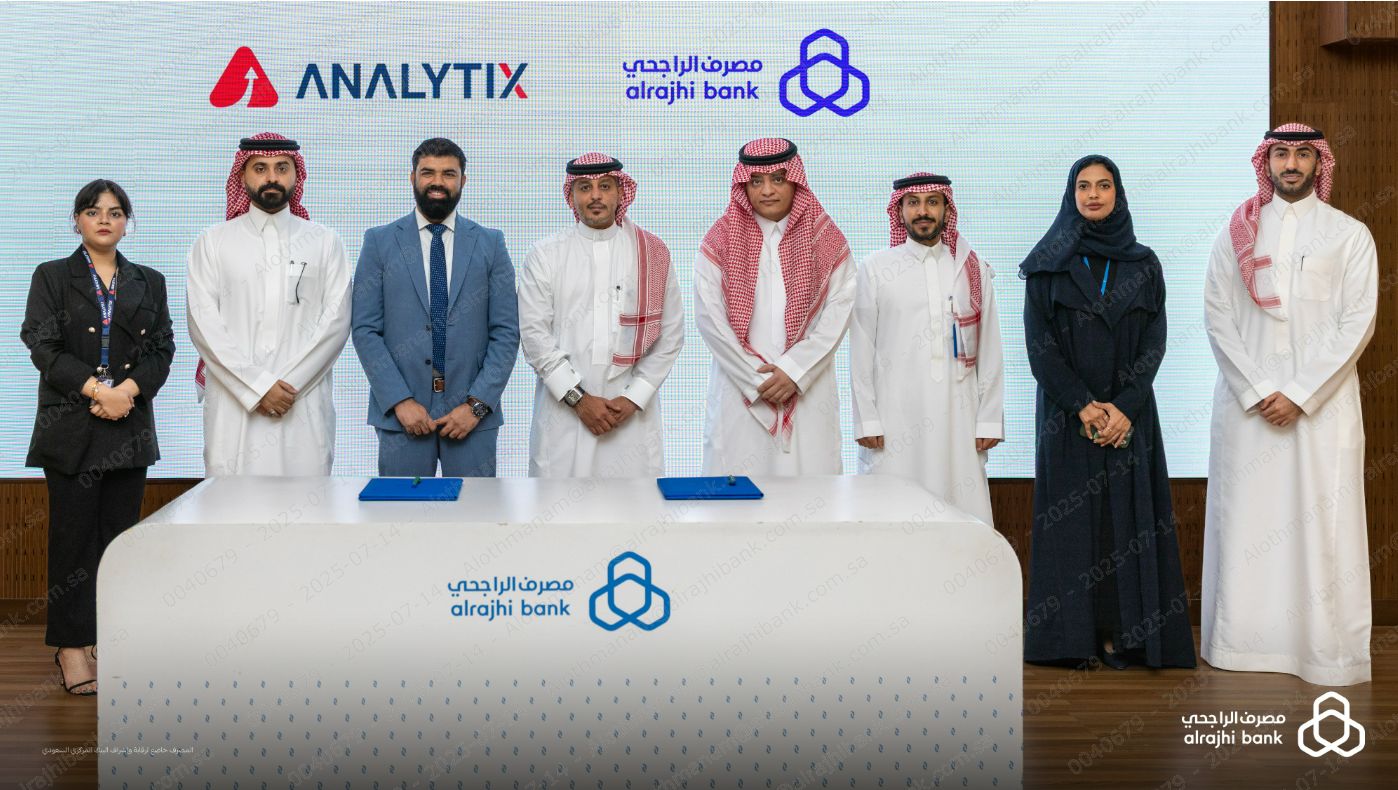
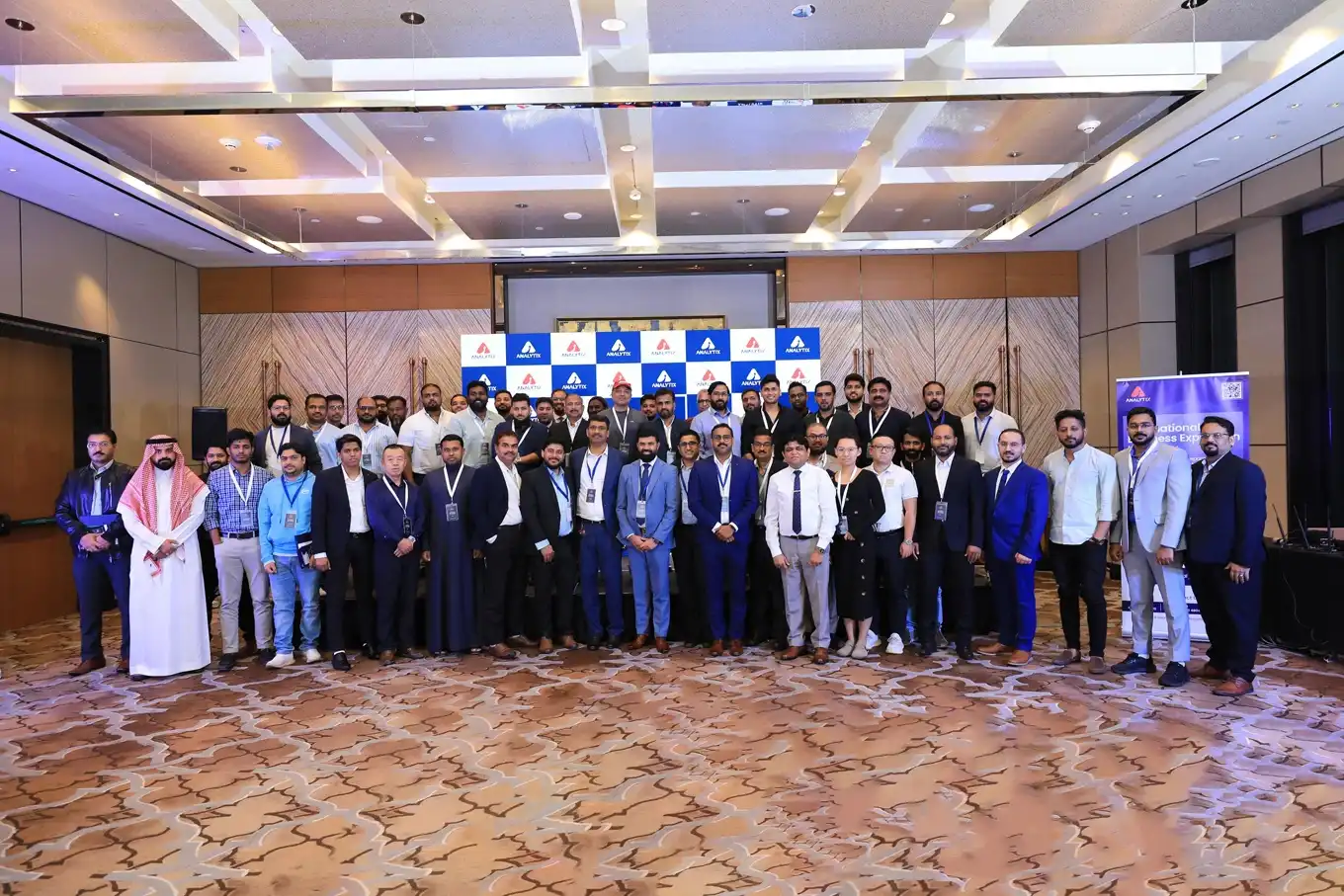
Analytix is your reliable business support system for establishing 100% foreign-owned businesses in Saudi Arabia under MISA guidelines. Our business consultants guide you through business setup and company formation, covering subsidiary companies, Limited Liability Companies, GCC companies, branches of foreign companies, and dual ownership structures.


We are featured
We are featured on these News papers!




Planning To Set Up Business in Saudi Arabia?
If you’re planning to expand your business to Saudi Arabia, business setup consultants in Saudi Arabia can guide you through the whole process. Whether you need help with KSA business setup services or figuring out where to invest, we’ve got you covered.
Clients We Have Served.
We helped to expand 2500 companies from 13 countries across 20 industries.























- FAQs
Frequently Asked Questions
If your question is not addressed here, please feel free to reach out to us.
Yes. Under Saudi Arabia’s Vision 2030 investment reforms, foreign investors may hold up to 100% ownership in most commercial sectors through a MISA investment licence. Certain strategic and regulated sectors remain subject to partial or full ownership restrictions. Analytix Arabia provides sector-specific guidance on ownership eligibility as part of the business setup advisory process.
A MISA investor registration, issued by the Ministry of Investment of Saudi Arabia, is the investment licence required for all foreign-owned entities. It defines the permitted scope of business activities and is the first required step before any company formation in Saudi Arabia can proceed. Without an active MISA investor registration, a foreign investor cannot obtain a Commercial Registration or operate legally in the Kingdom.
Initial application to operational readiness. Key stages include MISA investment licence (3–7 business days), company name reservation (1–3 business days), Articles of Association and Commercial Registration (2–5 business days), ZATCA tax registration (2–4 business days), HRSD and Qiwa activation (2–4 business days), and municipality licence / Balady approval (7–21 business days depending on business activity and location). Timelines vary based on document completeness, business activity classification, and regulatory queue volume. Regulated sectors — including healthcare, engineering, and financial services — may require additional approvals.
The minimum share capital requirement for an LLC in Saudi Arabia depends on the business activity and sector. Standard commercial activities do not carry a fixed statutory minimum under general regulations. However, certain regulated sectors — including engineering, healthcare, and financial services — require higher minimum capital as specified by the relevant regulatory authority. Confirm the applicable capital requirement for your specific activity at the MISA investor registration application stage.
Commercial Registration (CR) is the official legal document issued by the Ministry of Commerce that establishes the company as a recognised legal entity in Saudi Arabia. Without a CR, the company cannot open a corporate bank account, register with ZATCA for tax and VAT purposes, or process employee visas and Iqama applications. The CR is issued after the MISA investor registration is obtained and the Articles of Association have been notarised and approved.
An LLC (Limited Liability Company) is a separate legal entity from the parent company, providing limited liability for shareholders and operational flexibility across most commercial sectors. A Branch Office is an extension of the foreign parent company, which retains full legal liability for the branch’s activities in Saudi Arabia. LLCs are the most widely used structure for foreign investors due to their operational adaptability and the option for 100% foreign ownership in most sectors. Branch Offices are typically used by established multinationals extending existing operations where alignment with the parent company’s structure and reporting framework is required.
Saudi Arabia issues licences across the following categories: Industrial Licence (manufacturing and industrial activities), Service Licence (consulting, IT, finance, healthcare, education), Trading Licence (trading, importing, exporting, distribution), Contracting Licence (construction and contracting services), Real Estate Licence (real estate development and management), Energy Licence (oil, gas, and renewables), Telecom and IT Licence (telecommunications and information technology), Tourism Licence (tourism, travel services, hospitality), Media Licence (media, publishing, broadcasting, advertising), Medical Licence (healthcare services, clinics, and equipment), and Educational Licence (establishing educational institutions).
Yes. A physical office address or co-working space is a mandatory requirement for company registration in Saudi Arabia. The office must comply with municipality zoning requirements applicable to the registered business activity. Office lease agreements must be in place before municipality licence applications are submitted.
The cost of setting up a business in Saudi Arabia depends on the type of business, industry sector, location, and specific regulatory requirements. General cost components include: LLC registration with the Ministry of Commerce (approximately SAR 10,000 to SAR 20,000), additional licensing fees depending on business activity (SAR 5,000 to SAR 30,000), office or commercial space rent (SAR 150 to SAR 500 per square metre per year depending on location and size), legal and consultancy fees for company formation and licensing (SAR 20,000 to SAR 50,000 depending on complexity), and accounting and auditing services (approximately SAR 10,000 to SAR 30,000 per year). Work visa and residency permit fees for each foreign employee range from approximately SAR 5,000 to SAR 10,000 per employee. Certain sectors and locations may qualify for government incentives, tax exemptions, or subsidies that reduce the overall cost.
Corporate tax rates in Saudi Arabia vary by ownership: companies owned by Saudi nationals or GCC citizens are subject to zakat (2.5%) rather than corporate income tax; companies with non-GCC foreign shareholders pay a 20% corporate income tax on the foreign-owned portion; companies involved in natural gas investment activities are subject to a 30% rate; and oil and hydrocarbon production companies are subject to an 85% rate. Saudi Arabia has signed double taxation avoidance agreements with a number of countries, which may affect the effective tax rate for foreign companies operating in the Kingdom.
Yes. Companies in Saudi Arabia are permitted to engage in multiple business activities, subject to conditions and regulations set by the Ministry of Commerce. Certain activities — including finance, healthcare, and energy — require specific permits, licences, or approvals from the relevant regulatory authorities. All planned activities must be clearly defined in the company’s Articles of Association and Commercial Registration. Any future changes or additions to registered activities require formal amendments and, in some cases, additional approvals.
Yes. The authorised signatory is required to be physically present in Saudi Arabia to open the corporate bank account. For most other stages of the registration process — including MISA investor registration, Commercial Registration, and government portal activations — physical presence is not required, and the process can be managed remotely with the support of a GRO or PRO services provider.